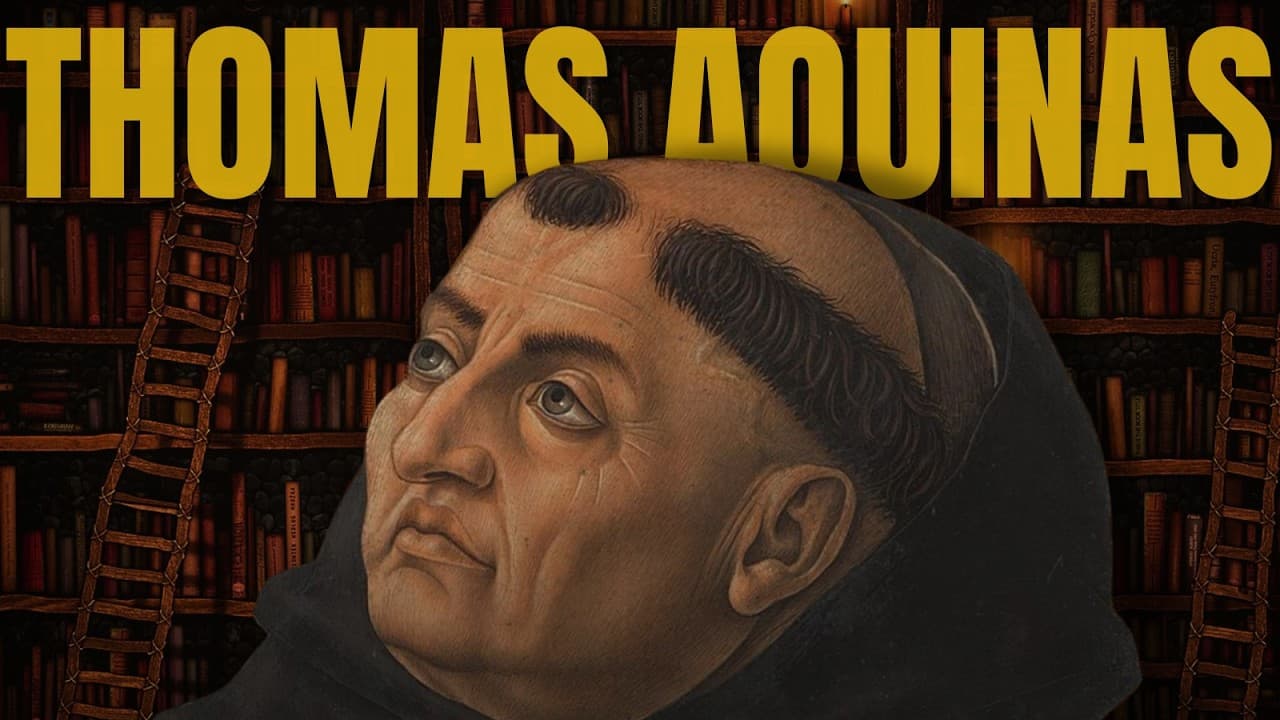
The Saint Who Made Aristotle Christian
All of Thomas Aquinas's Philosophy Explained
Chapters
- 0:00:00The Dumb Ox Who Filled the World with His Bellowing
- 0:05:50Roccasecca, Monte Cassino, and a Noble Family's Ambitions
- 0:13:22Naples, Aristotle, and the Call to the Dominicans
- 0:21:12Kidnapping, Imprisonment, and the Test of Vocation
- 0:26:19Albertus Magnus and the Recovery of Aristotle
- 0:33:33Paris, the University, and the Battle of Ideas
- 0:41:39The Structure of the Summa: A Cathedral in Words
- 0:48:24Being and Existence: The Heart of Thomistic Metaphysics
- 0:56:47The Five Ways: Proving God's Existence by Reason
- 1:07:04Divine Simplicity: What God Is and Is Not
- 1:15:40How We Speak of God: Analogy and the Limits of Language
- 1:22:57Creation: From Nothing, by Love, in Freedom
- 1:31:01The Human Soul: Neither Ghost nor Machine
- 1:40:40The Will, Freedom, and the Passions
- 1:47:44Happiness: The Ultimate End of Human Life
- 1:53:31Natural Law: The Eternal Law Written in Reason
- 2:00:28Virtue: The Path to Human Flourishing
- 2:07:53Grace: What Nature Cannot Achieve Alone
- 2:15:45The Straw and the Vision: Aquinas's Final Mystery
- 2:23:44Legacy: From Condemnation to Doctor of the Church
Sources & Works Cited
- 1.Aquinas, Thomas. Selected Writings (Penguin Classics) (1998)
- 2.Aquinas, Thomas. Summa Theologica (1485)
- 3.Feser, Edward. Aquinas: A Beginner's Guide (2009)
- 4.Davies, Brian. Thomas Aquinas's Summa Theologiae: A Guide and Commentary (2014)
Related Episodes
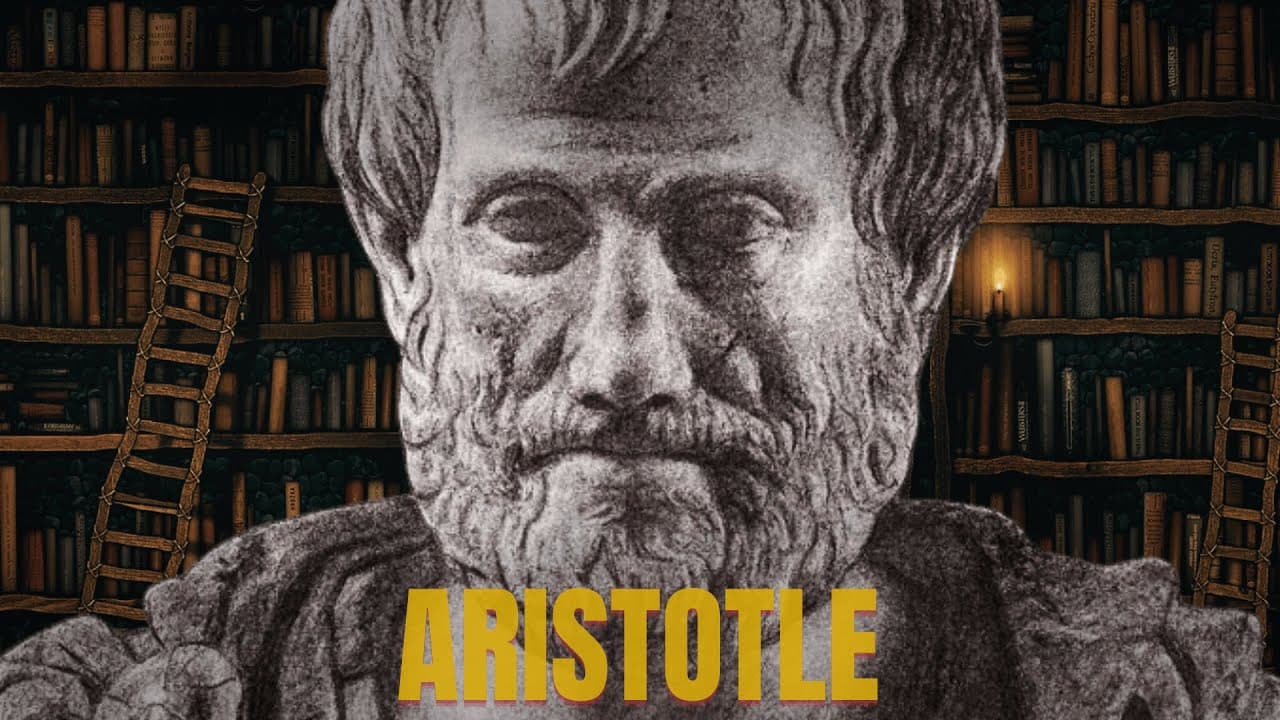
From Logic to Ethics
This comprehensive exploration traces the life and thought of Aristotle, from his years studying under Plato to tutoring Alexander the Great and founding the Lyceum in Athens. Covering logic, metaphysics, ethics, politics, rhetoric, and poetics, the episode presents his revolutionary ideas in calm, accessible language suited for restful listening. Discover how the philosopher Dante called the Master of Those Who Know built the foundations of Western intellectual life, and why his insights into virtue, justice, and human flourishing continue to shape our world.
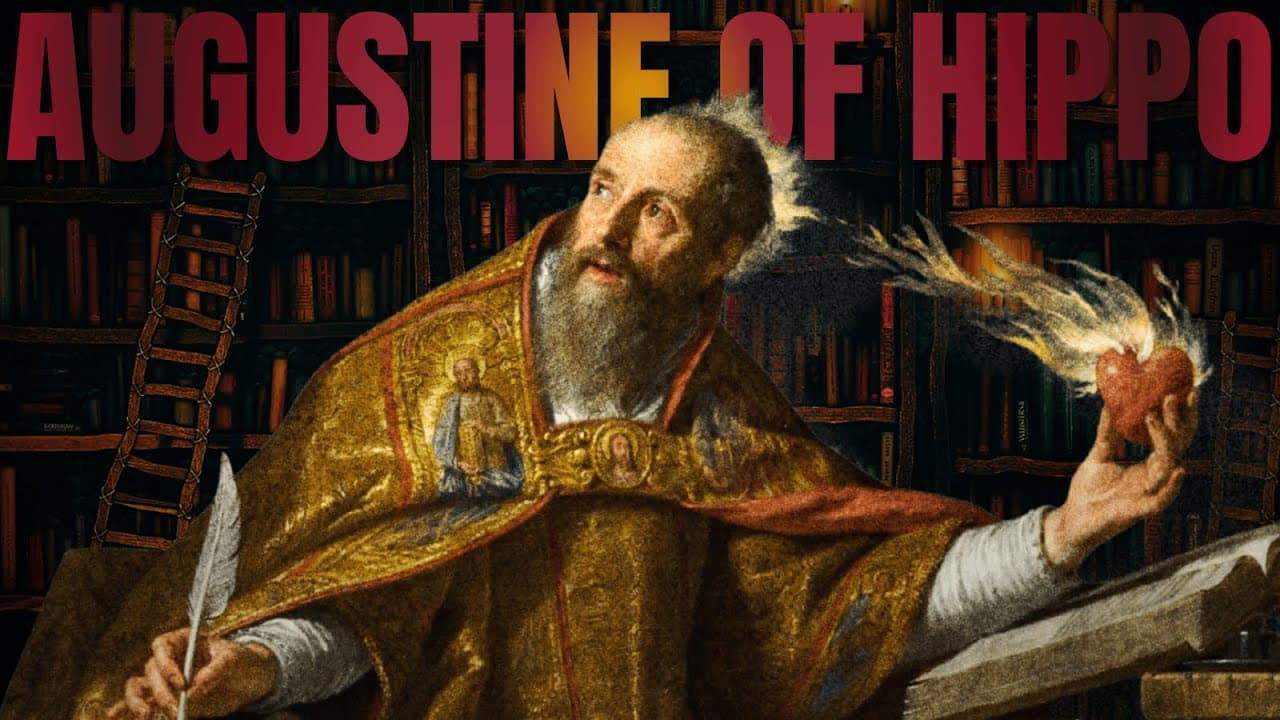
Why Does Evil Exist If God Is Good?
Augustine of Hippo asked why we do what we know is wrong, why nothing ever satisfies us, and where evil comes from if God is good. This episode tells the complete story of the philosopher who shaped Western thought more profoundly than almost any other figure. It follows Augustine from his African childhood to the streets of Carthage, through nine years with the Manichaeans, to the garden in Milan where everything changed. The episode explores his revolutionary ideas: evil as the absence of good, the will divided against itself, time existing only in the mind, memory as a palace larger than the world, grace that breaks chains human effort cannot loosen, and the two cities built on two loves that have been at war since the beginning of history. It also confronts the difficult dimensions of his legacy, including his teachings on predestination, original sin, and the endorsement of coercion against religious dissenters.
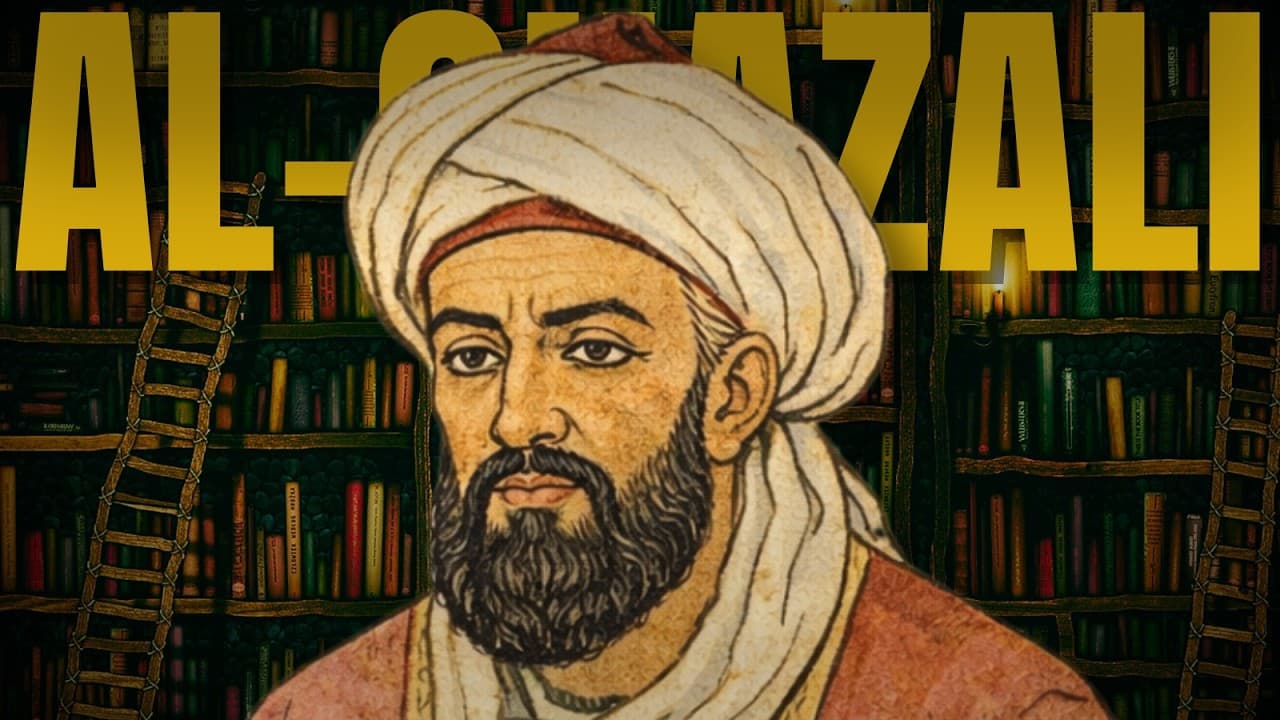
What Happens When a Genius Doubts Everything?
Al-Ghazali held the most prestigious teaching position in the Islamic world when, in 1095, his voice failed him and his body rejected food. Having mastered theology, law, and philosophy, he confronted a devastating question: did he actually know anything, or had he spent his life performing knowledge for the sake of fame? This three-hour exploration follows his journey from orphan in Persia to the summit of medieval Baghdad, through his systematic dismantling of the rationalist tradition in The Incoherence of the Philosophers, his complete psychological collapse, and eleven years of wandering through Damascus, Jerusalem, and Mecca as a humble seeker. His critique of causality anticipated David Hume by six centuries, and his Revival of the Religious Sciences transformed how millions practice their faith. Al-Ghazali asked whether reason alone could lead to truth, and his answer changed two civilizations.