Philosophy of Religion2:41:08
Hell Is the Inability to Love
What does it mean that hell, according to one seventh-century monk...
Deep readings and philosophical explorations
What does it mean that hell, according to one seventh-century monk...
Leo Tolstoy was born on a vast Russian estate in 1828, a place of quiet and privilege that would shape everything he became and everything he later sought to destroy. He wrote two of the greatest novels in any language: War and Peace, which dismantled the myth of great men by showing that history is made by the countless small decisions of ordinary people, and Anna Karenina, which asked whether passion alone could ever carry a life. But his novels were only the beginning. In his fifties, the foundations of meaning collapsed beneath him entirely, and he turned to the Gospels with genuine seriousness for the first time. What he found there was not a theology but a practice: nonresistance to evil, love without exception, simplicity, and labor. These teachings cost him his marriage, his comfort, and his standing in the Orthodox Church, which excommunicated him in 1901. They also inspired Gandhi and Martin Luther King Jr., who built movements on the same tradition Tolstoy began.
Around 600 BCE, on the island of Samos...
In ancient Egypt, a figure known as Hermes Trismegistus, the Thrice Greatest, was said to hold the deepest secrets of the cosmos. The Greeks merged their god Hermes with the Egyptian god Thoth, and from that union a philosophy was born that would quietly shape Western thought for two thousand years. This four-hour exploration traces the complete story of Hermeticism, from its origins in Hellenistic Alexandria through the Corpus Hermeticum and the Emerald Tablet, through the Renaissance revival that captivated Ficino, Bruno, and Newton, and into its lasting legacy in Western esotericism and philosophy. We examine the principle of correspondence, the path of gnosis, the soul's descent into matter and its ascent back to the divine, and the vision of a cosmos where everything connects to everything else through hidden chains of meaning.
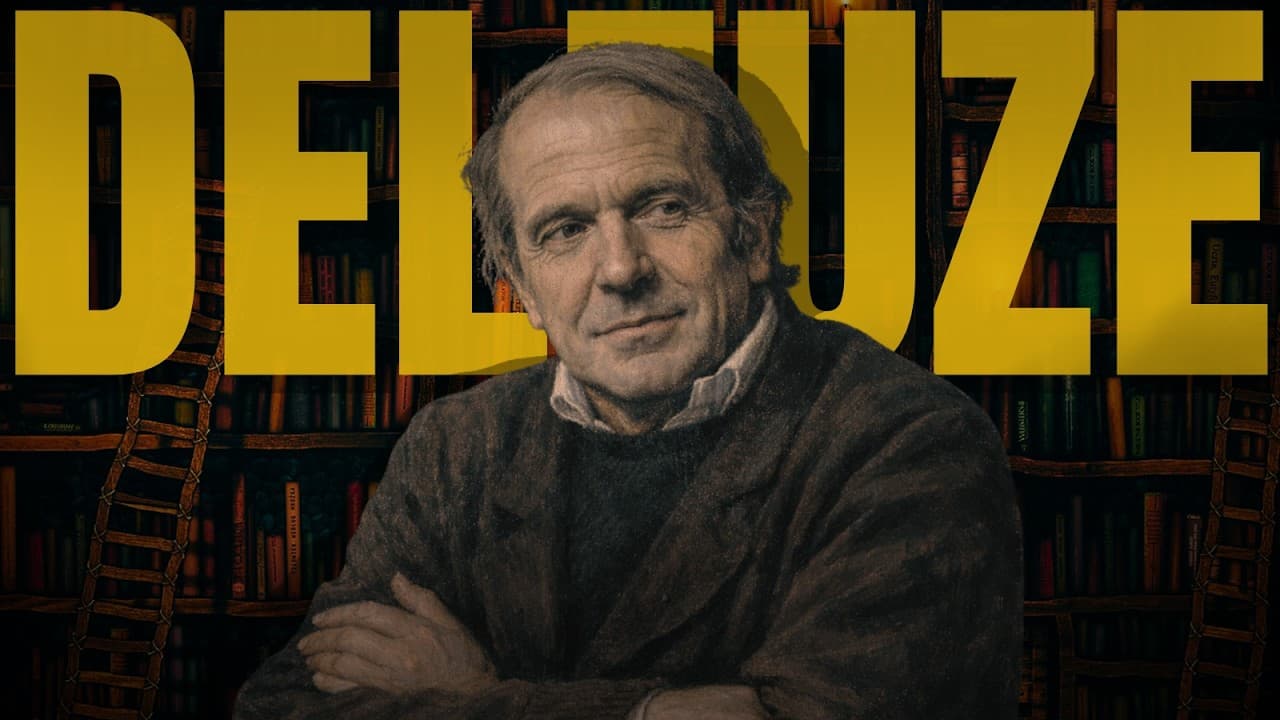
Gilles Deleuze reimagined what philosophy could do. Where most philosophers tried to represent the world, Deleuze wanted to create something new: concepts that make thought move differently. The rhizome, the body without organs, the virtual and the actual, deterritorialization, becoming. These are not descriptions of how things are but tools for thinking in ways that escape identity, hierarchy, and transcendence. Over three hours, this episode traces his entire philosophical project, from his radical readings of Nietzsche, Bergson, and Spinoza, through his collaboration with Felix Guattari on two of the most provocative books of the twentieth century, to his philosophy of cinema and his final reflections on what philosophy actually is. Beneath the difficulty of his writing lies one of the most consistent and ambitious philosophical visions of the last century, pointing always toward a single horizon: immanence, a world with no outside and no transcendent ground.
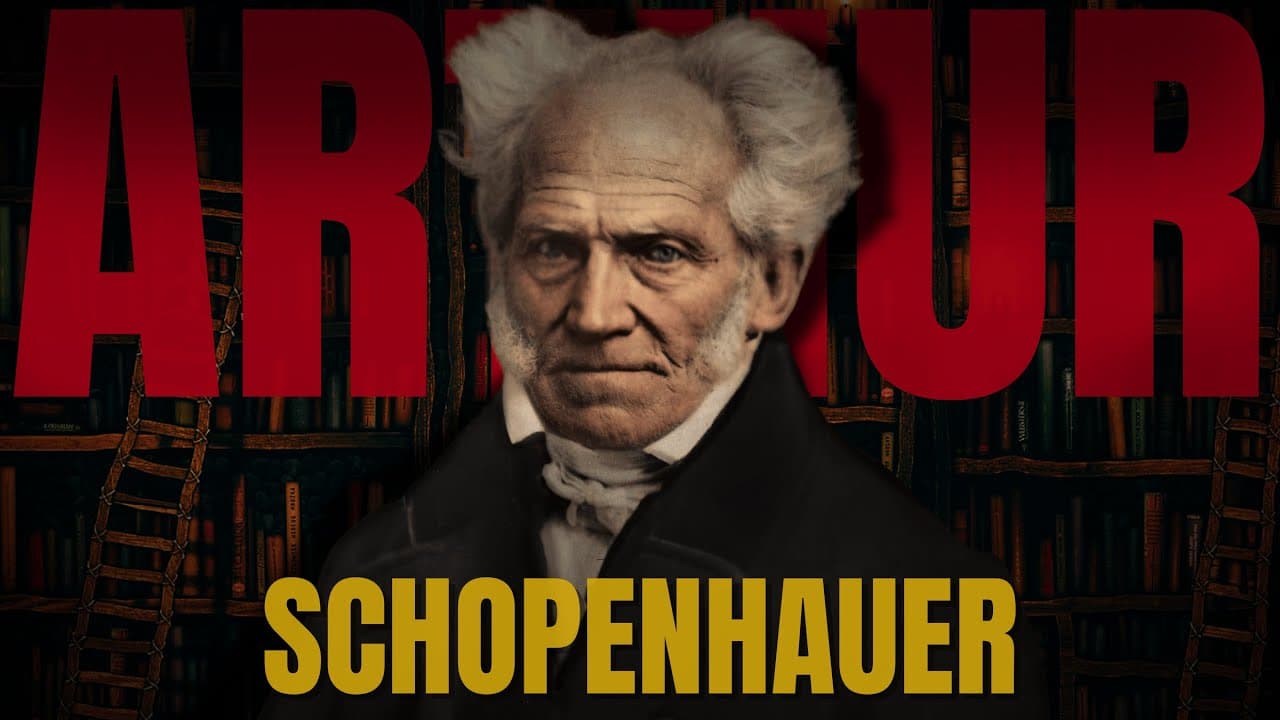
Arthur Schopenhauer believed that the capacity to be alone was the truest mark of intellectual and spiritual development. For him, solitude was not merely the absence of others but the presence of oneself. This three-hour exploration examines Schopenhauer's philosophy from the ground up, tracing his life from the merchant's son in Danzig, through his father's death, his failed academic career, and his decades as a solitary hermit in Frankfurt. We then enter his philosophy: the blind Will that drives all existence, the pendulum of pain and boredom, and why most people cannot bear to be alone with themselves. Finally, we examine his answers, including art, contemplation, the denial of the Will, and the practical wisdom he offered those who chose to remain in the world.
When someone prays and hears nothing back, when a sincere seeker finds only silence, what does that tell us about whether God exists? Divine hiddenness is one of philosophy's most emotionally charged problems. If a loving God exists and wants relationship with us, why does he not make himself known to those who genuinely seek him? This exploration examines the problem from every angle, beginning with the raw experience of unanswered prayer and tracing it through scripture, the mystics, and contemporary analytic philosophy. John of the Cross described the dark night of the soul; Mother Teresa endured fifty years of spiritual darkness documented in her private letters. J.L. Schellenberg's argument from reasonable nonbelief gives the ancient cry rigorous philosophical form, claiming that the very existence of sincere seekers who find nothing is incompatible with a perfectly loving God.
Nothing matters. These two words have haunted Western philosophy since the nineteenth century, when the foundations of meaning began to crack and the greatest minds were forced to confront a terrifying possibility: that the universe has no purpose and human life has no cosmic significance. This episode traces the complete history of existential nihilism, from Schopenhauer's suffocating pessimism through Dostoevsky's feverish challenges in the Grand Inquisitor, to Nietzsche's shattering diagnosis of the death of God. It then explores the existentialist responses: Heidegger's confrontation with the nothing, Sartre's radical freedom, and Camus's philosophy of the absurd. The journey concludes with Viktor Frankl's will to meaning forged in Auschwitz, Thomas Nagel's analytical treatment of absurdity, and the question as it remains for us today.
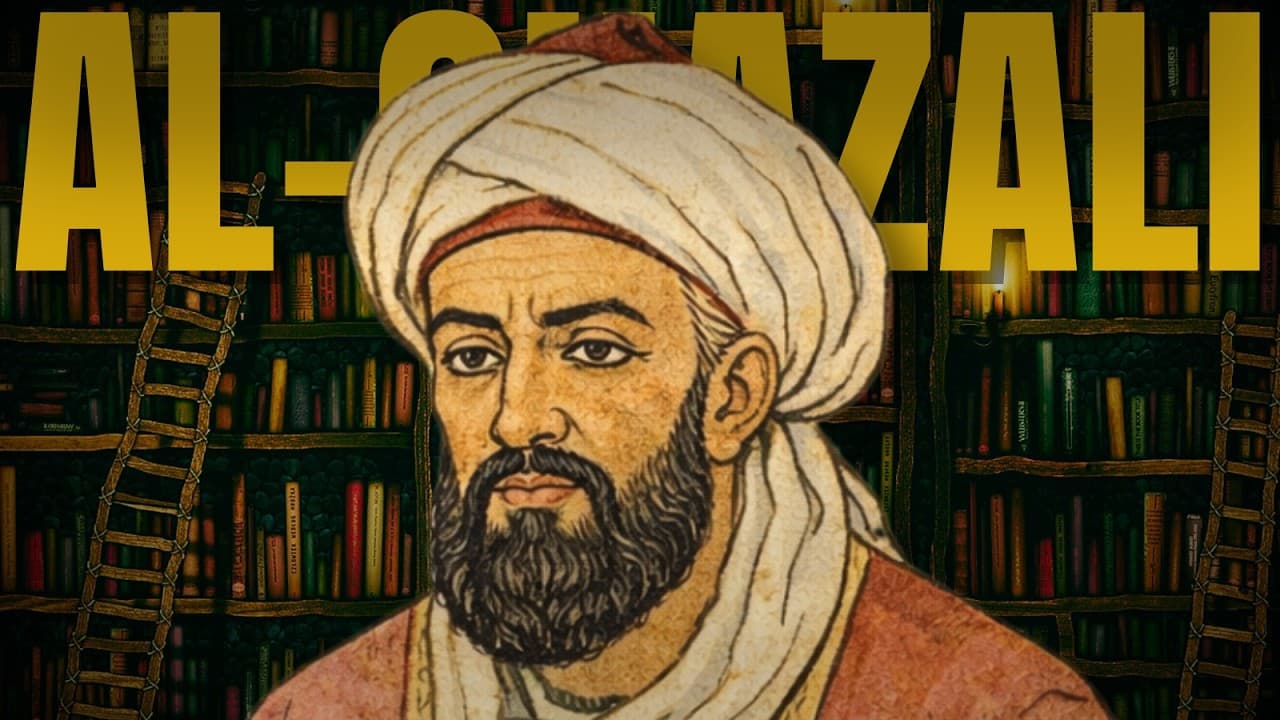
Al-Ghazali held the most prestigious teaching position in the Islamic world when, in 1095, his voice failed him and his body rejected food. Having mastered theology, law, and philosophy, he confronted a devastating question: did he actually know anything, or had he spent his life performing knowledge for the sake of fame? This three-hour exploration follows his journey from orphan in Persia to the summit of medieval Baghdad, through his systematic dismantling of the rationalist tradition in The Incoherence of the Philosophers, his complete psychological collapse, and eleven years of wandering through Damascus, Jerusalem, and Mecca as a humble seeker. His critique of causality anticipated David Hume by six centuries, and his Revival of the Religious Sciences transformed how millions practice their faith. Al-Ghazali asked whether reason alone could lead to truth, and his answer changed two civilizations.
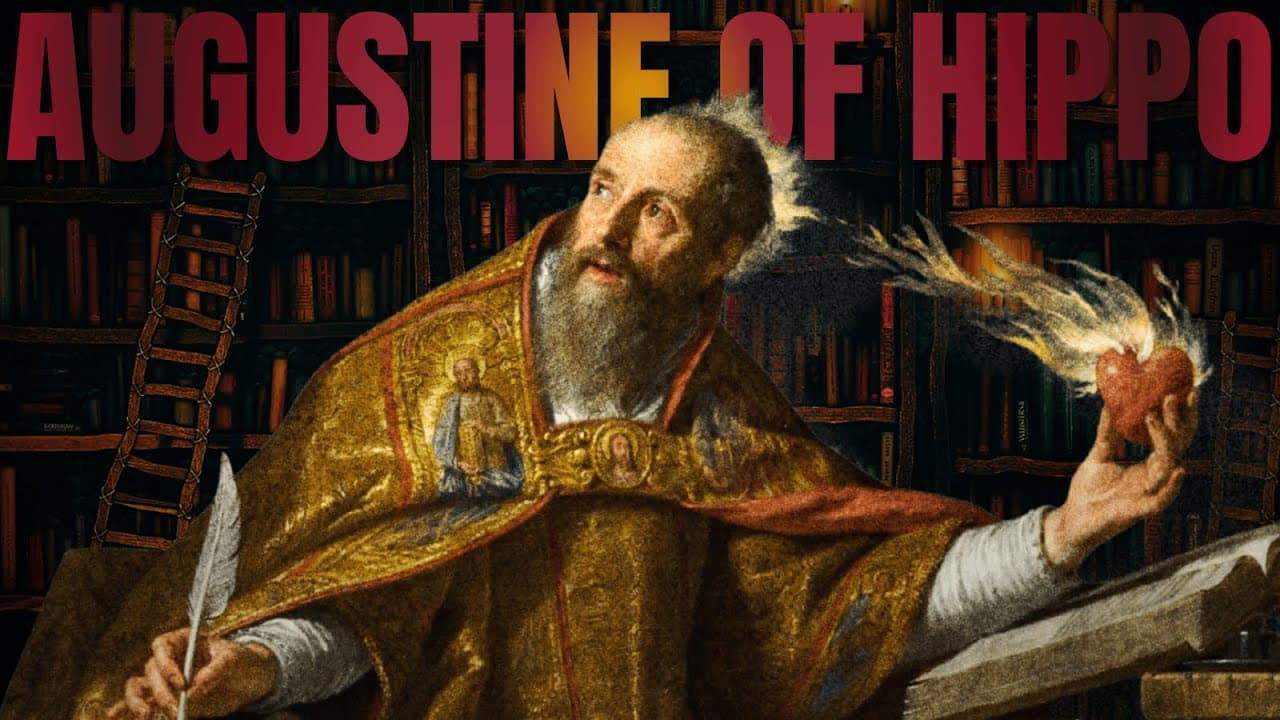
Augustine of Hippo asked why we do what we know is wrong, why nothing ever satisfies us, and where evil comes from if God is good. This episode tells the complete story of the philosopher who shaped Western thought more profoundly than almost any other figure. It follows Augustine from his African childhood to the streets of Carthage, through nine years with the Manichaeans, to the garden in Milan where everything changed. The episode explores his revolutionary ideas: evil as the absence of good, the will divided against itself, time existing only in the mind, memory as a palace larger than the world, grace that breaks chains human effort cannot loosen, and the two cities built on two loves that have been at war since the beginning of history. It also confronts the difficult dimensions of his legacy, including his teachings on predestination, original sin, and the endorsement of coercion against religious dissenters.
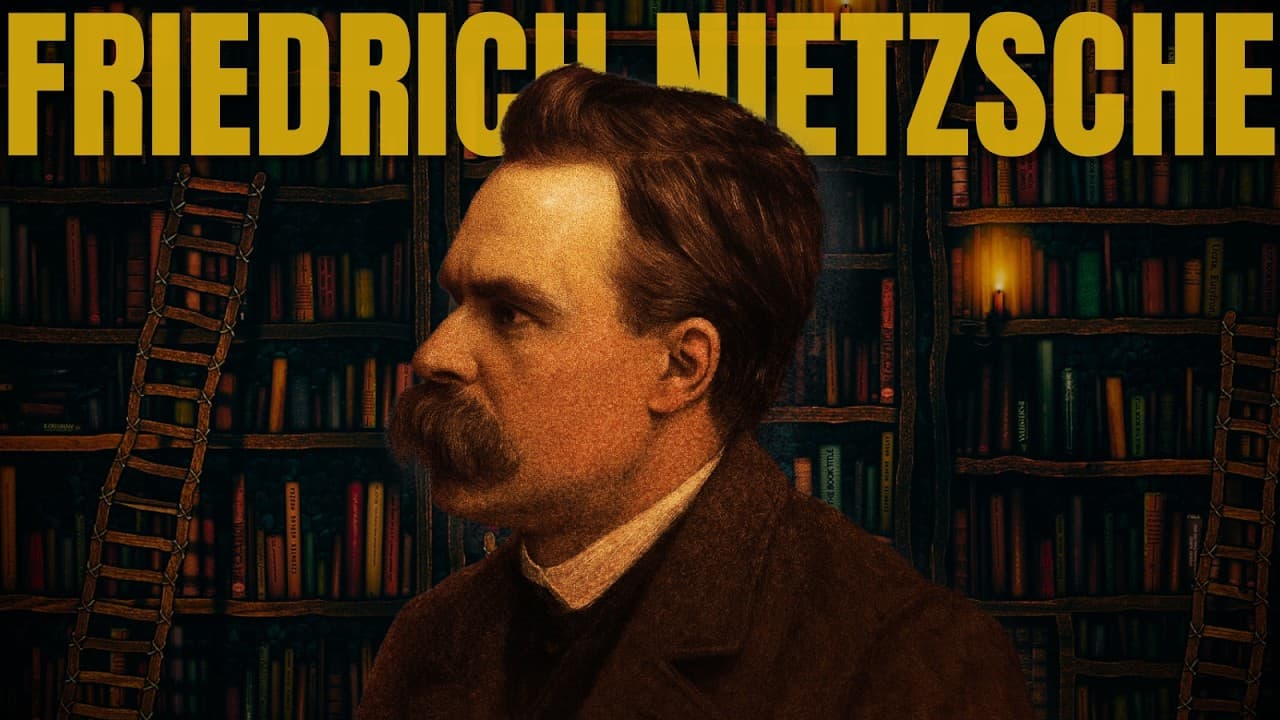
Friedrich Nietzsche diagnosed the death of God not as triumph but as catastrophe, recognizing that the foundation Western civilization had rested on for two thousand years had collapsed. This three-hour exploration traces his journey from pastor's son in Rocken to solitary philosopher, through his masterworks including The Birth of Tragedy, Thus Spoke Zarathustra, Beyond Good and Evil, and On the Genealogy of Morals. It examines his core concepts in depth: the death of God, will to power, eternal recurrence, the Ubermensch, amor fati, and the distinction between master and slave morality. The episode follows his friendship and break with Wagner, his decade of solitary wandering, his collapse in Turin, and the posthumous distortion of his work by his sister Elisabeth and the Nazi appropriation that followed. His influence on Freud, Heidegger, existentialism, Foucault, and Deleuze confirms that the questions Nietzsche raised about nihilism, values, and human flourishing remain urgently alive today.
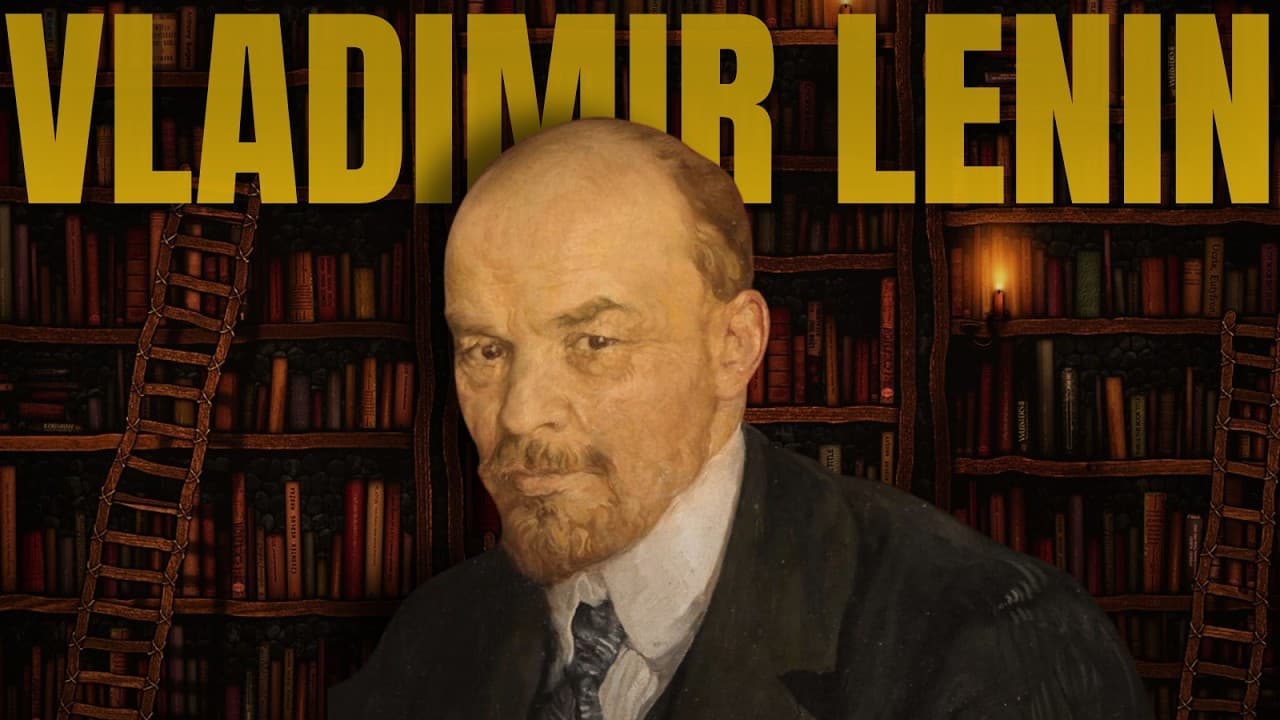
Vladimir Lenin transformed Marxism from a theory of historical inevitability into a theory of revolutionary action, and in doing so reshaped the twentieth century. This episode traces his intellectual development from his provincial childhood in Simbirsk through the trauma of his brother's execution, his radicalization, and his years of exile and organizing. It covers his major works including What Is to Be Done?, Imperialism: The Highest Stage of Capitalism, and State and Revolution, examining key concepts such as the vanguard party, democratic centralism, and the dictatorship of the proletariat. The narrative follows the events of 1917 from the February Revolution through the October seizure of power, the Civil War, War Communism, the Red Terror, the Kronstadt rebellion, and the New Economic Policy. It concludes with Lenin's final struggle, his Testament warning against Stalin, and the long debate over his contested legacy.
Franz Kafka was born in Prague in 1883 into three overlapping circles of exclusion: Czech majority, German minority, and Jewish community within that minority. This episode traces his life under the overwhelming shadow of his father Hermann, his night writing alongside exhausting insurance work, and the tuberculosis that killed him at forty. It explores his major works in detail, including The Metamorphosis, The Trial, and The Castle, alongside the letters to Felice and Milena and the devastating Letter to His Father that was never sent. The episode examines Kafka's central themes of waking into strangeness, guilt without crime, authority that cannot be reached, and the body that fails and hungers. It closes with Max Brod's refusal to burn the manuscripts and the emergence of the word Kafkaesque as a name for our modern condition.
Thomas Aquinas synthesized Aristotelian philosophy with Christian theology to build one of the most comprehensive intellectual systems in Western history. This episode follows his life from his childhood at Roccasecca through his defiance of family opposition to join the Dominican order, his studies under Albertus Magnus, and his career at the University of Paris. It examines his masterwork the Summa Theologica in depth, including the Five Ways of proving God's existence, his metaphysics of being and existence, divine simplicity, natural law ethics, the theory of virtue, and his understanding of grace. The story concludes with his mystical vision of December 1273, when he declared all his writings to be straw, and the long arc of his legacy from condemnation to canonization to the modern Thomistic revival.
This second part of the Jung exploration examines his method of active imagination for engaging the unconscious, his theory of introversion and extraversion, and the four functions of consciousness. It follows the complete individuation process from shadow integration through anima and animus work to Self-realization. The episode covers synchronicity as meaningful coincidence beyond ordinary causality, Jung's psychological approach to religion, and his deep study of alchemy as a metaphor for inner transformation. It also addresses his controversial legacy, including his statements during the Nazi period, debates about his methods, and his enduring influence on therapy, spirituality, and the modern search for meaning.
Carl Jung departed from Freud to forge analytical psychology, a framework that maps the hidden architecture of the psyche. This episode traces Jung's life from his early psychiatric work through his break with Freud and his descent into the unconscious that produced the Red Book. It explores the complete structure of the mind according to Jung: the ego, persona, shadow, personal unconscious, collective unconscious, archetypes, anima and animus, and the Self. Along the way, it covers shadow work techniques, dream interpretation through amplification, and the archetypal patterns that surface in mythology, religion, and everyday life.
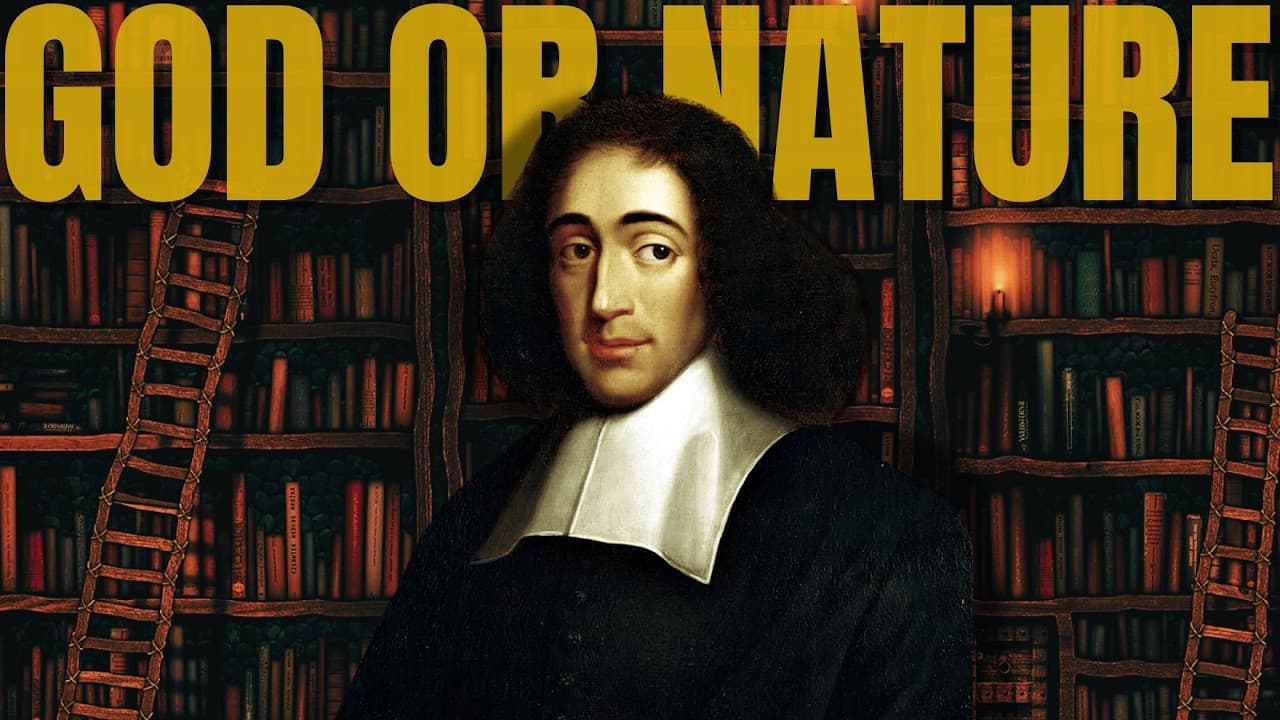
Deus sive Natura. God or Nature. With these three Latin words, Baruch Spinoza announced the most dangerous idea of the seventeenth century: that God and Nature are one and the same infinite reality. This episode follows Spinoza from Amsterdam's Portuguese-Jewish community through his excommunication at age twenty-three, his quiet years as a lens grinder, to his posthumous influence on Einstein and the Romantics. We trace the geometric arguments of the Ethics through substance monism, mind-body parallelism, the affects, human bondage, and the path to freedom through understanding.
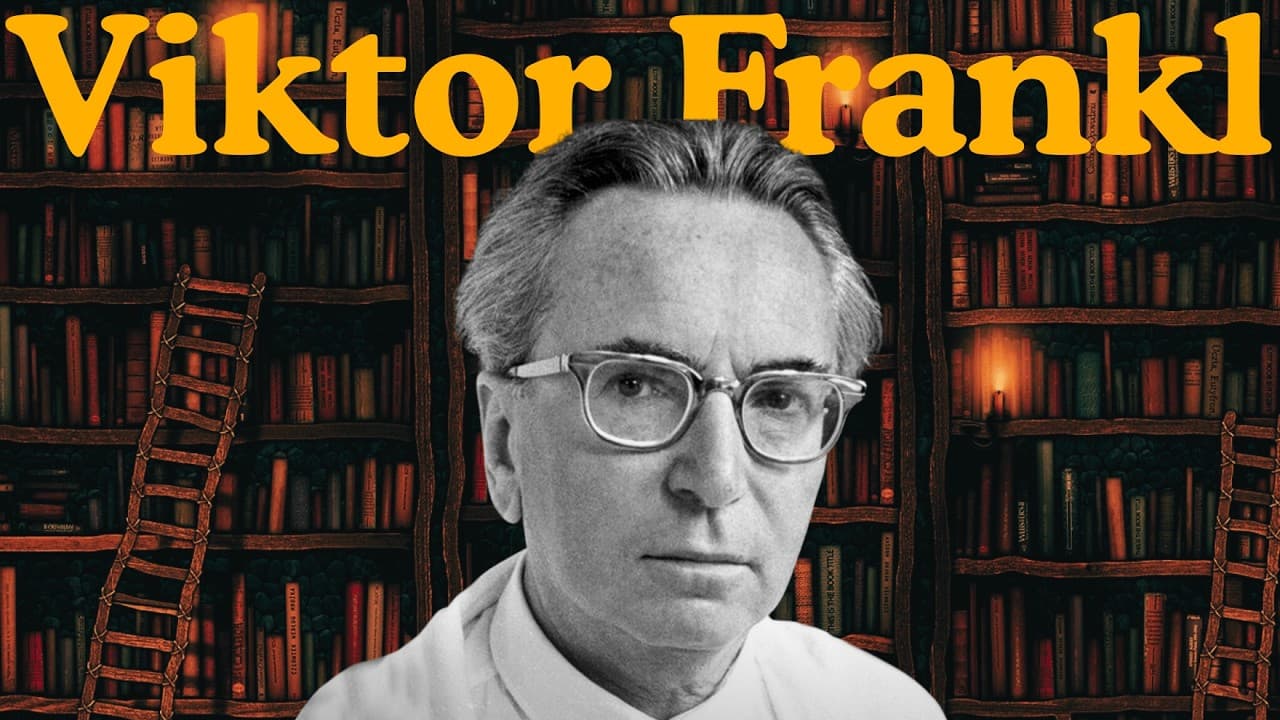
In the autumn of 1942, Viktor Frankl witnessed prisoners in Auschwitz giving away their last pieces of bread to help others. In that moment, he understood that everything can be taken from a person except the freedom to choose one's attitude toward any circumstance. This episode traces his entire life and philosophy, from his training under Freud and Adler in Vienna to the nine intense days when he dictated Man's Search for Meaning. We explore logotherapy, the will to meaning, and his hard-won wisdom about what makes life worth living even in the darkest conditions.
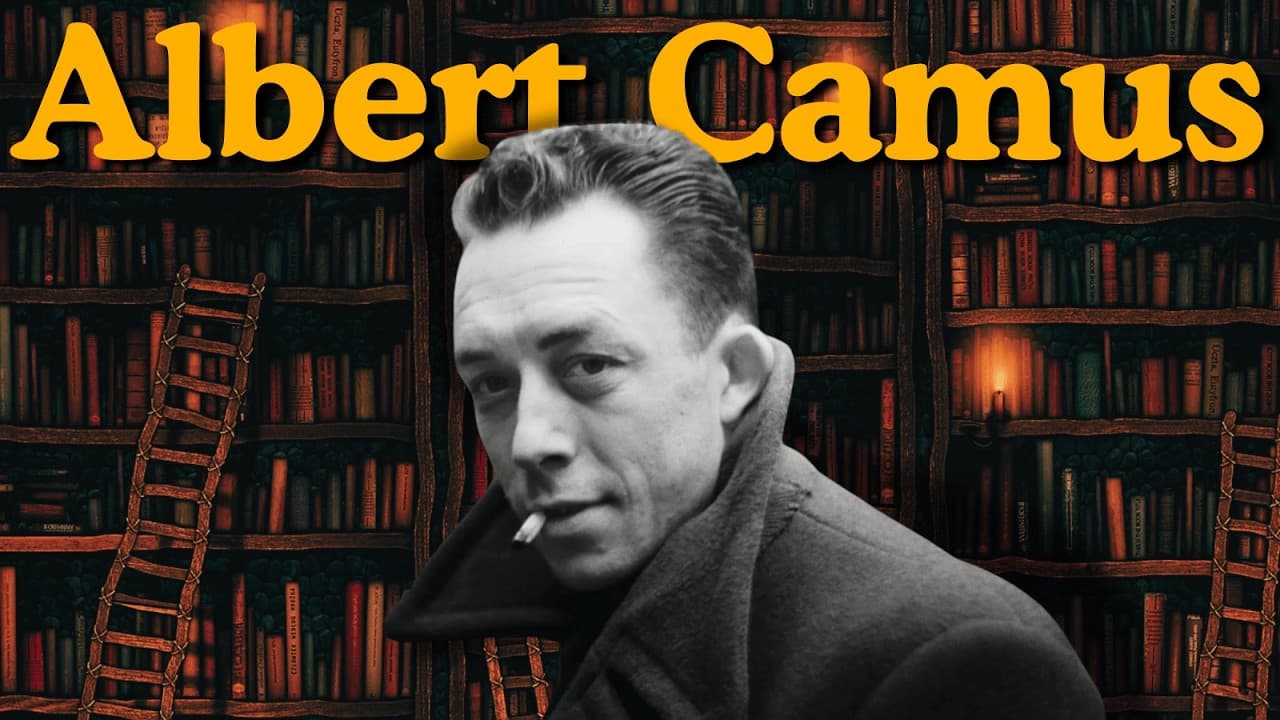
What if a man condemned to push a boulder up a mountain for eternity is actually happy? This question opens Albert Camus's philosophy of the Absurd, the confrontation between our need for meaning and the universe's profound silence. Over four hours, we follow Camus from sun-drenched Algeria through wartime France, through The Stranger and The Plague, through his philosophical essays and his break with Sartre. We distinguish absurdism from both nihilism and existentialism, and discover why accepting meaninglessness might liberate us to live more fully than we ever imagined.
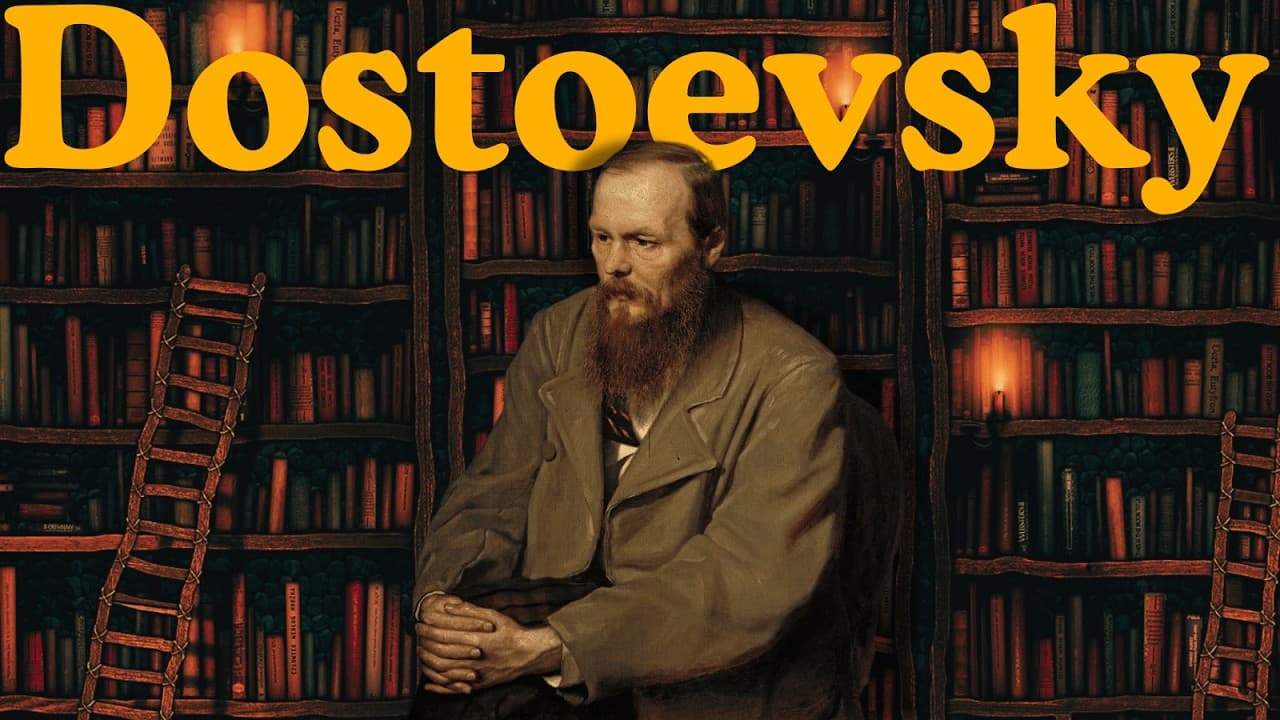
This three-hour exploration follows the mind of Fyodor Dostoevsky, the Russian novelist who understood human nature with extraordinary depth. Beginning with his brutal years in Siberian prison, the episode moves through his masterpieces including Crime and Punishment, The Brothers Karamazov, and Notes from Underground. We examine his penetrating ideas about freedom, guilt, redemption, and the divided self, tracing why his insights into the darkest corners of human consciousness remain as vital today as when he first set them down.
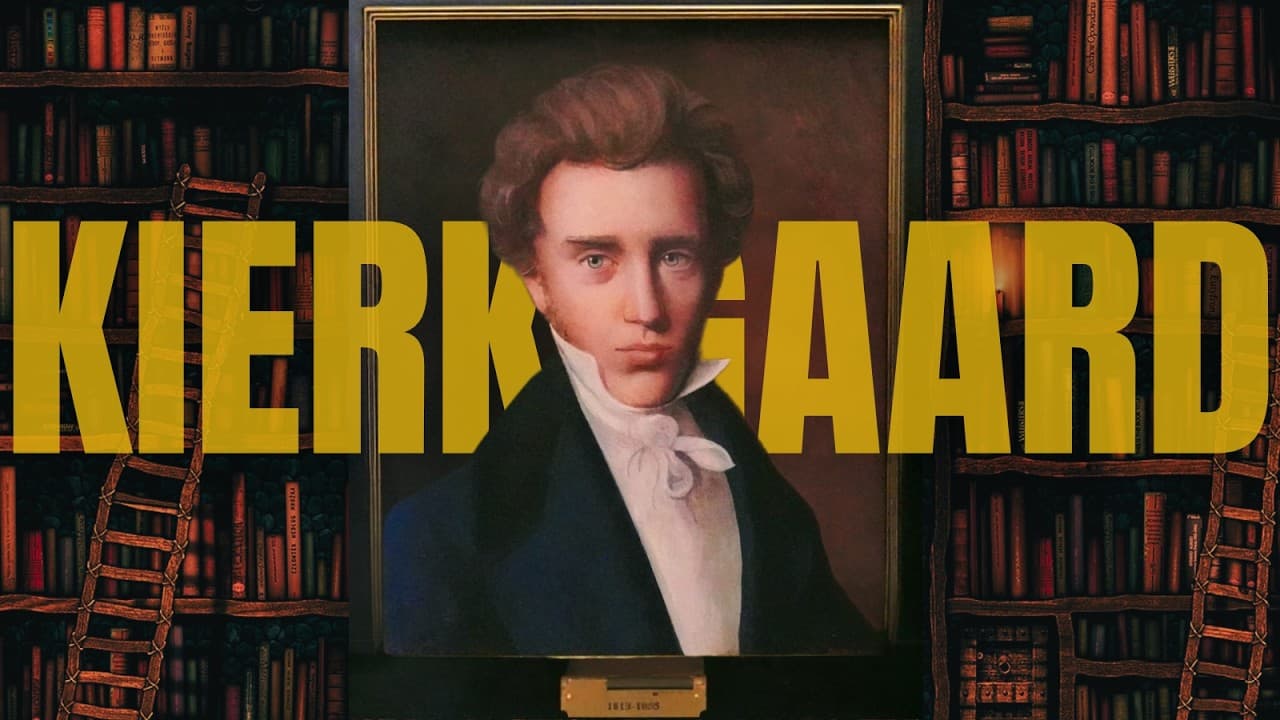
This episode is a long, gentle walk through the thought of Soren Kierkegaard, the Danish philosopher who believed existence is not a puzzle to be solved but something lived inwardly, one anxious choice at a time. We explore his three stages of existence, the concept of anxiety as the dizziness of freedom, despair as the sickness unto death, and the radical leap of faith. From his broken engagement to Regine Olsen to his fierce attack on institutional Christianity, Kierkegaard's ideas resonate with striking force for anyone lying awake wondering what it all means.
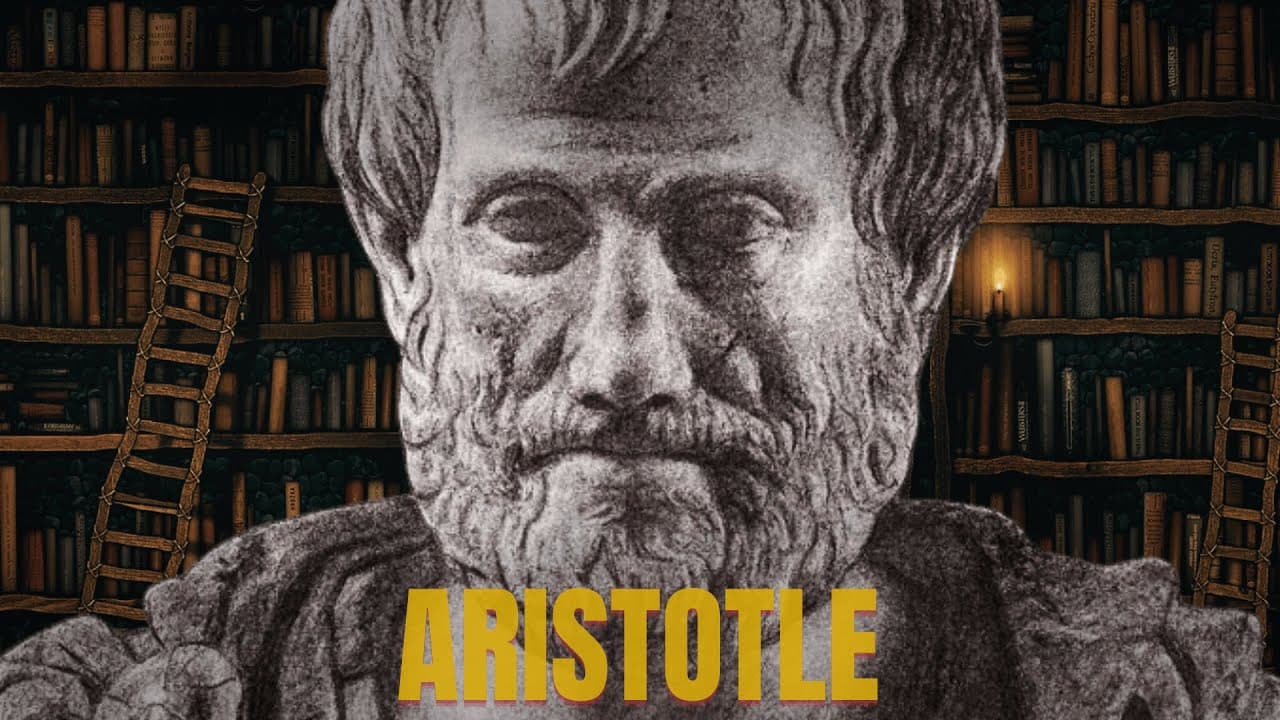
This comprehensive exploration traces the life and thought of Aristotle, from his years studying under Plato to tutoring Alexander the Great and founding the Lyceum in Athens. Covering logic, metaphysics, ethics, politics, rhetoric, and poetics, the episode presents his revolutionary ideas in calm, accessible language suited for restful listening. Discover how the philosopher Dante called the Master of Those Who Know built the foundations of Western intellectual life, and why his insights into virtue, justice, and human flourishing continue to shape our world.
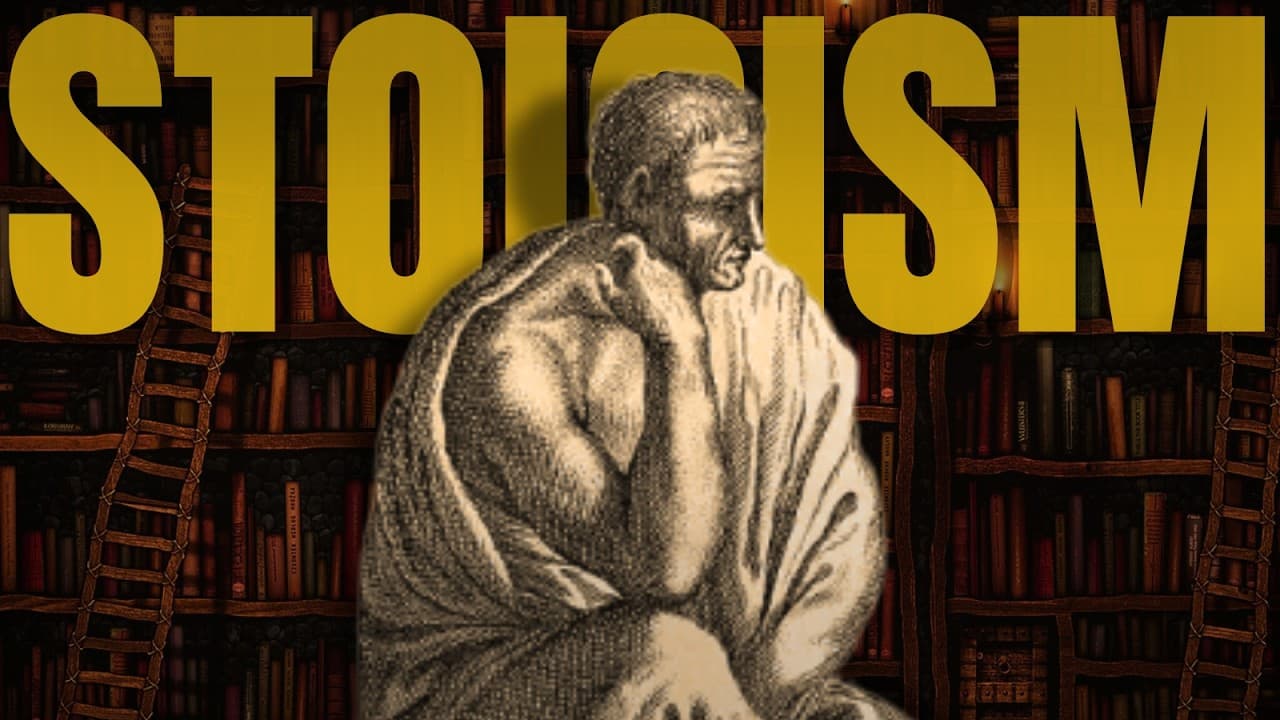
This gentle, three-hour journey explores ancient Stoic wisdom through the teachings of Marcus Aurelius, Seneca, and Epictetus. You will encounter the dichotomy of control, the four cardinal virtues, and the daily practices these philosophers used to cultivate inner peace. Passages from the Meditations, the Letters to Lucilius, and the Enchiridion are presented in a calm, contemplative style suited for restful listening. Whether you are discovering Stoicism for the first time or returning to these texts as old companions, let these timeless insights settle your mind as you drift toward sleep.