Hell Is the Inability to Love
Dostoevsky and the Church Fathers
Related Episodes
Beauty Will Save The World
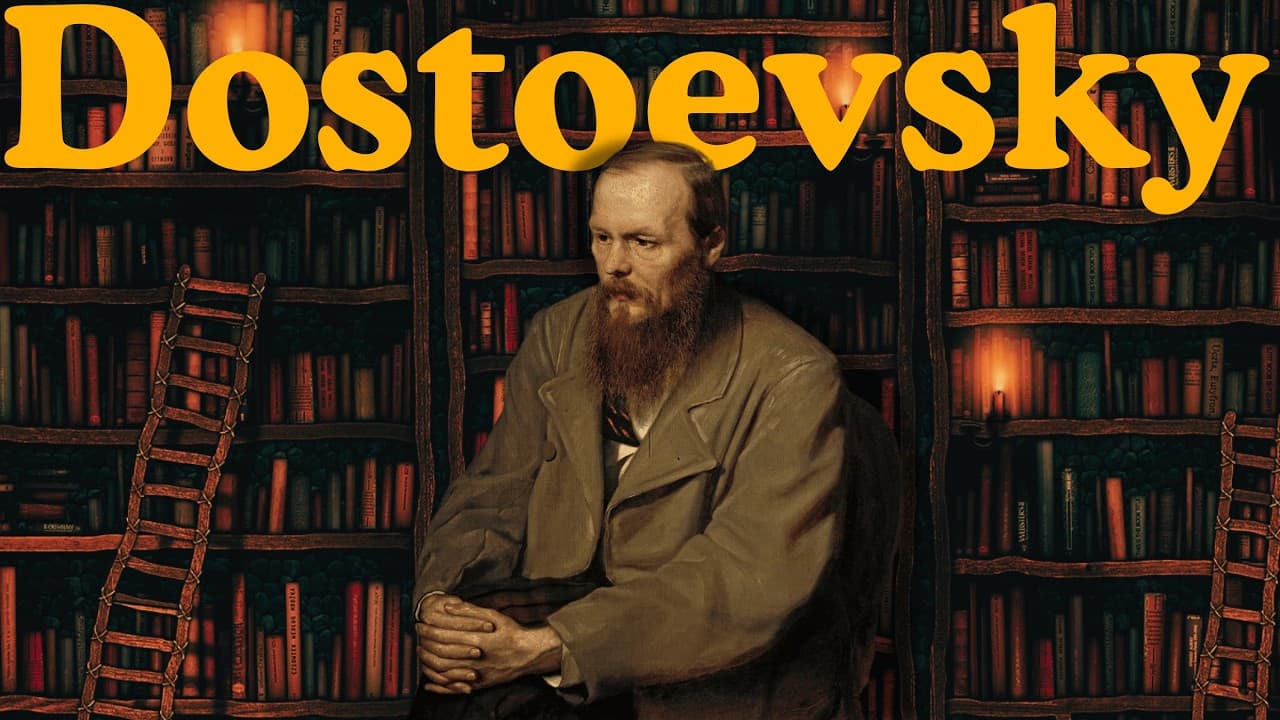
This three-hour exploration follows the mind of Fyodor Dostoevsky, the Russian novelist who understood human nature with extraordinary depth. Beginning with his brutal years in Siberian prison, the episode moves through his masterpieces including Crime and Punishment, The Brothers Karamazov, and Notes from Underground. We examine his penetrating ideas about freedom, guilt, redemption, and the divided self, tracing why his insights into the darkest corners of human consciousness remain as vital today as when he first set them down.
Why Does Evil Exist If God Is Good?
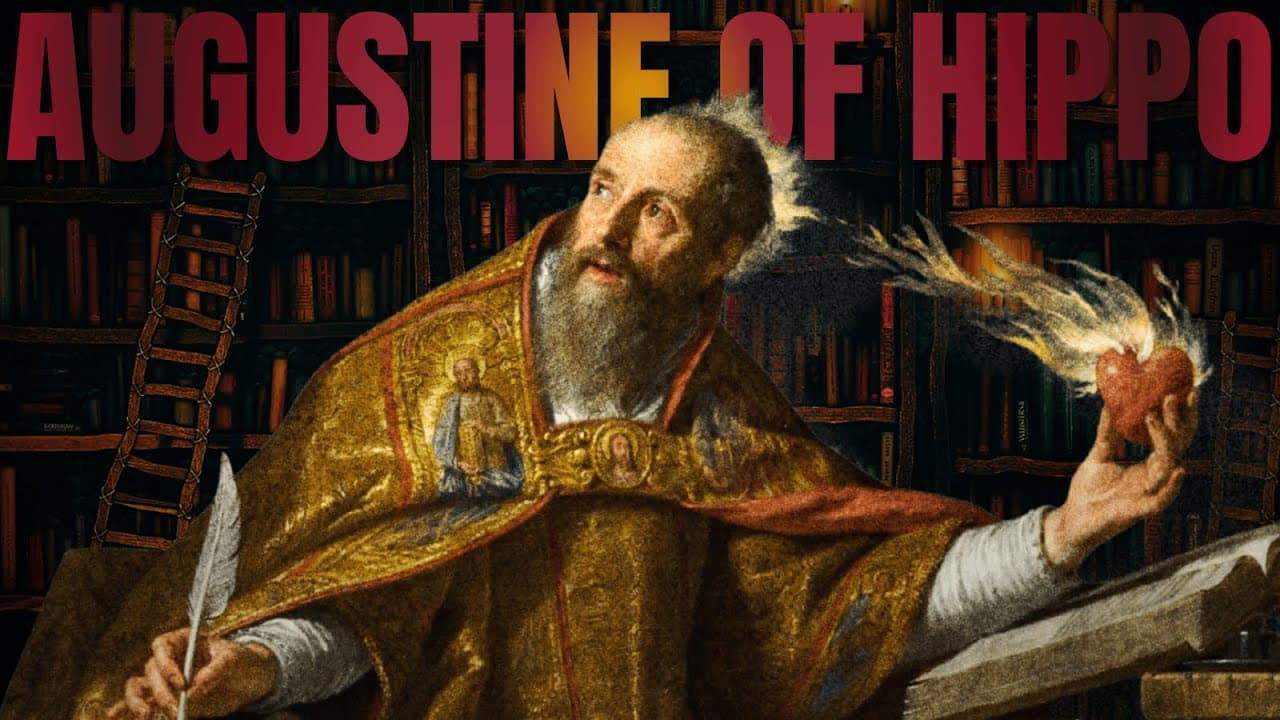
Augustine of Hippo asked why we do what we know is wrong, why nothing ever satisfies us, and where evil comes from if God is good. This episode tells the complete story of the philosopher who shaped Western thought more profoundly than almost any other figure. It follows Augustine from his African childhood to the streets of Carthage, through nine years with the Manichaeans, to the garden in Milan where everything changed. The episode explores his revolutionary ideas: evil as the absence of good, the will divided against itself, time existing only in the mind, memory as a palace larger than the world, grace that breaks chains human effort cannot loosen, and the two cities built on two loves that have been at war since the beginning of history. It also confronts the difficult dimensions of his legacy, including his teachings on predestination, original sin, and the endorsement of coercion against religious dissenters.
The Kingdom of God Is Within You
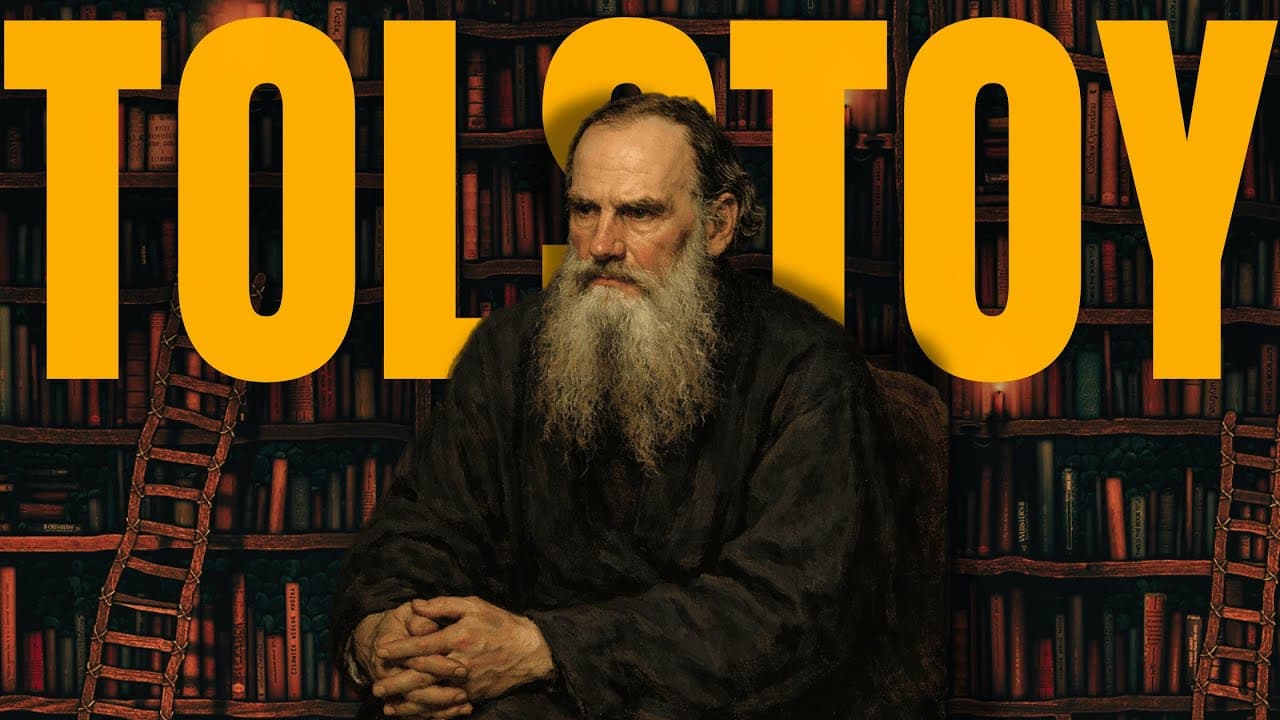
Leo Tolstoy was born on a vast Russian estate in 1828, a place of quiet and privilege that would shape everything he became and everything he later sought to destroy. He wrote two of the greatest novels in any language: War and Peace, which dismantled the myth of great men by showing that history is made by the countless small decisions of ordinary people, and Anna Karenina, which asked whether passion alone could ever carry a life. But his novels were only the beginning. In his fifties, the foundations of meaning collapsed beneath him entirely, and he turned to the Gospels with genuine seriousness for the first time. What he found there was not a theology but a practice: nonresistance to evil, love without exception, simplicity, and labor. These teachings cost him his marriage, his comfort, and his standing in the Orthodox Church, which excommunicated him in 1901. They also inspired Gandhi and Martin Luther King Jr., who built movements on the same tradition Tolstoy began.