The Philosophy of Existential Nihilism
From Nietzsche to Camus
Chapters
- 00:00:00Nothing Matters
- 00:10:28What Is Nihilism?
- 00:21:04The Cracks in Certainty
- 00:31:42Schopenhauer and the Pessimist Foundation
- 00:40:50The Russian Nihilists
- 00:46:45Dostoevsky's Challenge
- 00:58:48Nietzsche and the Death of God
- 01:08:35The Abyss and Beyond
- 01:18:13Heidegger and the Nothing
- 01:25:42Sartre and Radical Freedom
- 01:34:32Camus and the Absurd
- 01:42:15Meursault and Sisyphus
- 01:49:29Frankl and the Will to Meaning
- 01:57:09The View from Nowhere
- 02:05:44The Question That Remains
Sources & Works Cited
- 1.Friedrich Nietzsche. The Gay Science (2001)
- 2.Friedrich Nietzsche. Thus Spoke Zarathustra (1961)
- 3.Fyodor Dostoevsky. The Brothers Karamazov (1990)
- 4.Fyodor Dostoevsky. Notes from Underground (1993)
- 5.Albert Camus. The Myth of Sisyphus (1955)
- 6.Albert Camus. The Stranger (1989)
- 7.Jean-Paul Sartre. Being and Nothingness (1956)
- 8.Jean-Paul Sartre. Nausea (1964)
- 9.Martin Heidegger. Being and Time (1962)
- 10.Arthur Schopenhauer. The World as Will and Representation, Vol. 1 (1969)
- 11.Viktor Frankl. Man's Search for Meaning (2006)
- 12.Thomas Nagel. The Absurd (1971)
Related Episodes
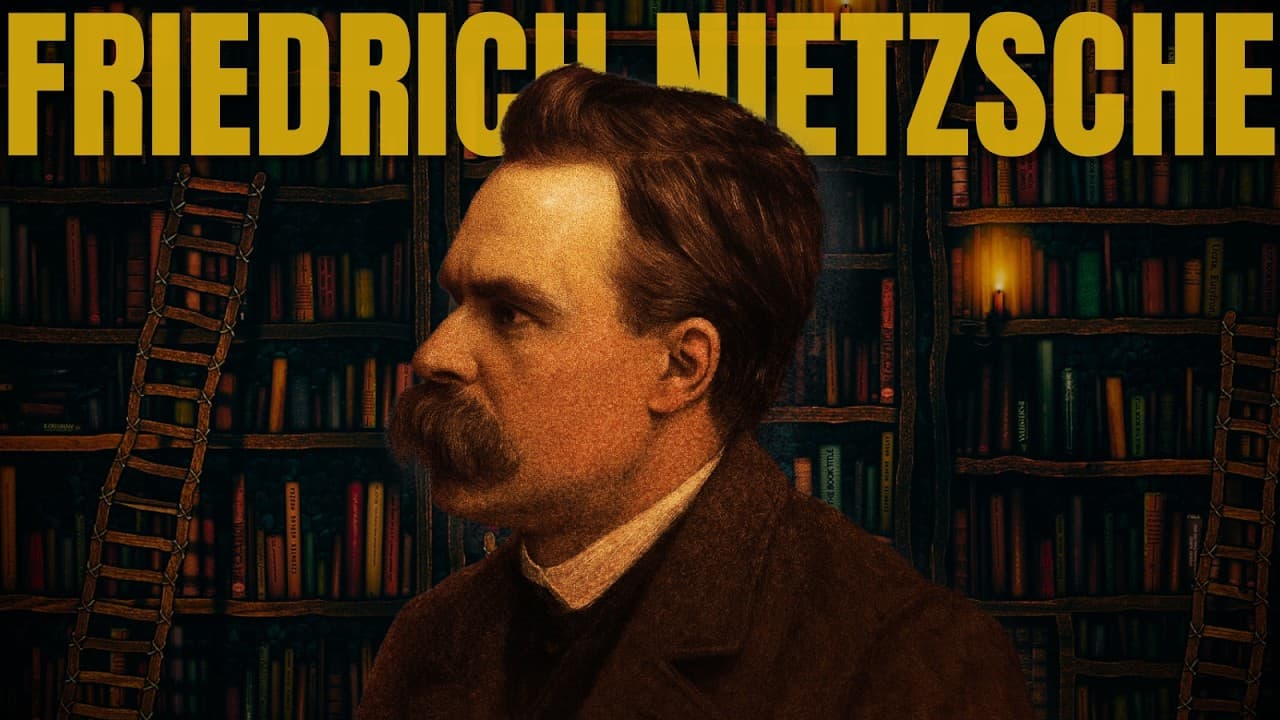
Nietzsche: God is Dead and We Have Killed Him
Friedrich Nietzsche diagnosed the death of God not as triumph but as catastrophe, recognizing that the foundation Western civilization had rested on for two thousand years had collapsed. This three-hour exploration traces his journey from pastor's son in Rocken to solitary philosopher, through his masterworks including The Birth of Tragedy, Thus Spoke Zarathustra, Beyond Good and Evil, and On the Genealogy of Morals. It examines his core concepts in depth: the death of God, will to power, eternal recurrence, the Ubermensch, amor fati, and the distinction between master and slave morality. The episode follows his friendship and break with Wagner, his decade of solitary wandering, his collapse in Turin, and the posthumous distortion of his work by his sister Elisabeth and the Nazi appropriation that followed. His influence on Freud, Heidegger, existentialism, Foucault, and Deleuze confirms that the questions Nietzsche raised about nihilism, values, and human flourishing remain urgently alive today.
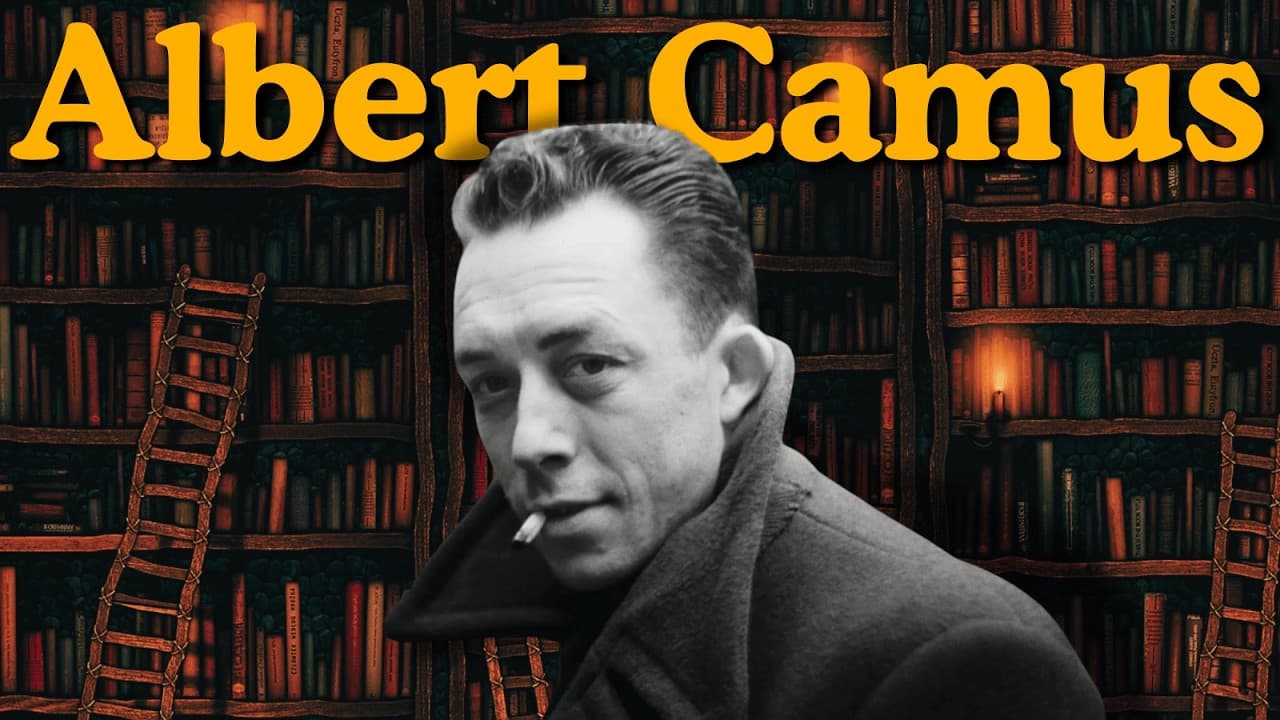
One Must Imagine Sisyphus Happy
What if a man condemned to push a boulder up a mountain for eternity is actually happy? This question opens Albert Camus's philosophy of the Absurd, the confrontation between our need for meaning and the universe's profound silence. Over four hours, we follow Camus from sun-drenched Algeria through wartime France, through The Stranger and The Plague, through his philosophical essays and his break with Sartre. We distinguish absurdism from both nihilism and existentialism, and discover why accepting meaninglessness might liberate us to live more fully than we ever imagined.
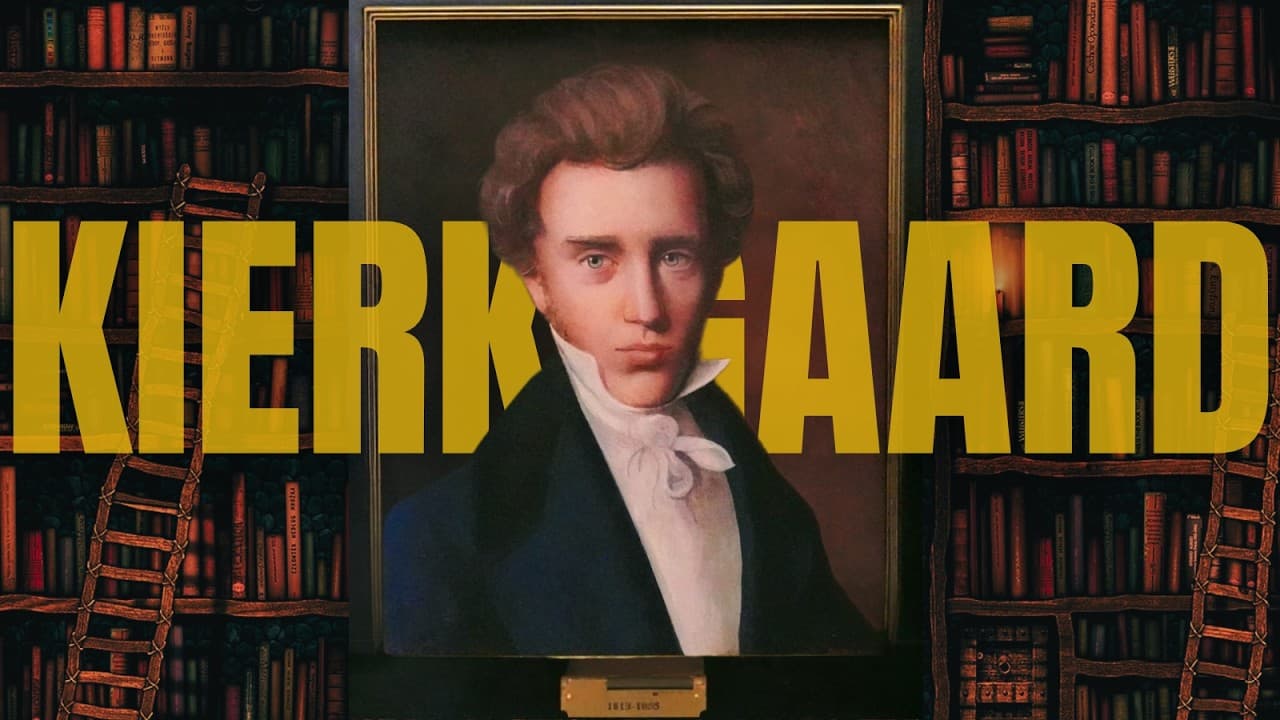
Life Is Not A Problem To Be Solved
This episode is a long, gentle walk through the thought of Soren Kierkegaard, the Danish philosopher who believed existence is not a puzzle to be solved but something lived inwardly, one anxious choice at a time. We explore his three stages of existence, the concept of anxiety as the dizziness of freedom, despair as the sickness unto death, and the radical leap of faith. From his broken engagement to Regine Olsen to his fierce attack on institutional Christianity, Kierkegaard's ideas resonate with striking force for anyone lying awake wondering what it all means.