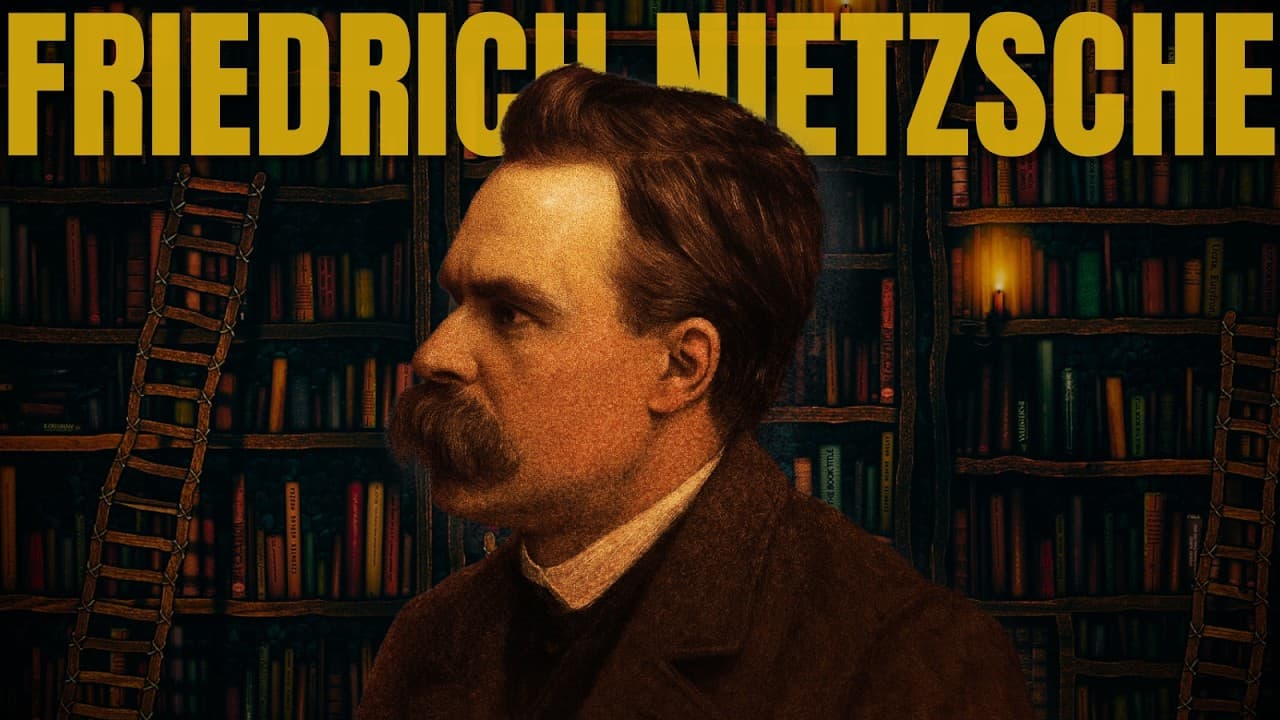
Nietzsche: God is Dead and We Have Killed Him
Nietzsche's Complete Philosophy
Chapters
- 0:00:00Chapter 01: God Is Dead and We Have Killed Him
- 0:09:18Chapter 02: Rocken and the Shadow of the Father
- 0:18:57Chapter 03: Schulpforta, Philology, and the Discovery of Schopenhauer
- 0:29:26Chapter 04: Wagner: The Surrogate Father and the Total Artwork
- 0:38:52Chapter 05: The Birth of Tragedy: Dionysus Against Socrates
- 0:48:06Chapter 06: The Break with Wagner: Parsifal and the Wound
- 0:56:48Chapter 07: The Free Spirit: Human, All Too Human
- 1:07:12Chapter 08: The Wanderer and His Shadow: A Decade of Solitude
- 1:17:54Chapter 09: Lou Salome: The Love That Failed
- 1:27:19Chapter 10: Thus Spoke Zarathustra: The Book for Everyone and No One
- 1:39:34Chapter 11: Camel, Lion, Child: The Metamorphoses of the Spirit
- 1:49:13Chapter 12: The Ubermensch and the Last Man
- 2:00:17Chapter 13: Eternal Recurrence: The Greatest Weight
- 2:11:01Chapter 14: Beyond Good and Evil: Master and Slave
- 2:20:20Chapter 15: The Genealogy of Morals: Guilt, Conscience, and the Ascetic Ideal
- 2:32:05Chapter 16: Ressentiment and the Revaluation of Values
- 2:41:15Chapter 17: Amor Fati: Loving One's Fate
- 2:50:42Chapter 18: The Final Year: Twilight, Antichrist, Ecce Homo
- 3:01:06Chapter 19: The Collapse in Turin
- 3:11:20Chapter 20: Elisabeth and the Nietzsche Archive
- 3:21:54Chapter 21: Misreadings: The Nazi Appropriation and Its Refutation
- 3:32:02Chapter 22: Why Nietzsche Still Matters
Sources & Works Cited
- 1.Nietzsche, Friedrich. The Birth of Tragedy (1967)
- 2.Nietzsche, Friedrich. Human, All Too Human (1996)
- 3.Nietzsche, Friedrich. The Gay Science (1974)
- 4.Nietzsche, Friedrich. Thus Spoke Zarathustra (1978)
- 5.Nietzsche, Friedrich. Beyond Good and Evil (1966)
- 6.Nietzsche, Friedrich. On the Genealogy of Morals (1989)
- 7.Nietzsche, Friedrich. Twilight of the Idols and The Antichrist (1990)
- 8.Nietzsche, Friedrich. Ecce Homo (1989)
- 9.Young, Julian. Friedrich Nietzsche: A Philosophical Biography (2010)
- 10.Kaufmann, Walter. Nietzsche: Philosopher, Psychologist, Antichrist (1974)
- 11.Prideaux, Sue. I Am Dynamite! A Life of Nietzsche (2018)
- 12.Nehamas, Alexander. Nietzsche: Life as Literature (1985)
- 13.Magnus, Bernd and Higgins, Kathleen (eds.). The Cambridge Companion to Nietzsche (1996)
- 14.Stanford Encyclopedia of Philosophy. Friedrich Nietzsche
- 15.Internet Encyclopedia of Philosophy. Friedrich Nietzsche
Related Episodes
The Philosophy of Existential Nihilism
Nothing matters. These two words have haunted Western philosophy since the nineteenth century, when the foundations of meaning began to crack and the greatest minds were forced to confront a terrifying possibility: that the universe has no purpose and human life has no cosmic significance. This episode traces the complete history of existential nihilism, from Schopenhauer's suffocating pessimism through Dostoevsky's feverish challenges in the Grand Inquisitor, to Nietzsche's shattering diagnosis of the death of God. It then explores the existentialist responses: Heidegger's confrontation with the nothing, Sartre's radical freedom, and Camus's philosophy of the absurd. The journey concludes with Viktor Frankl's will to meaning forged in Auschwitz, Thomas Nagel's analytical treatment of absurdity, and the question as it remains for us today.
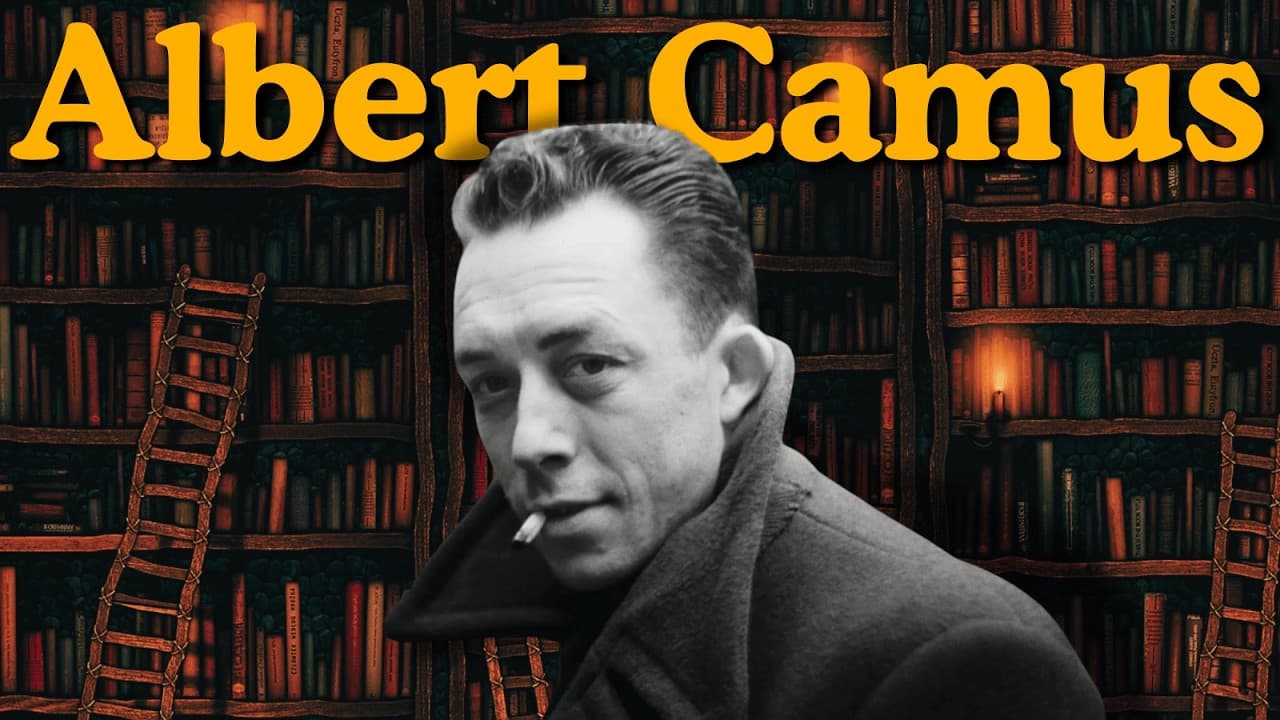
One Must Imagine Sisyphus Happy
What if a man condemned to push a boulder up a mountain for eternity is actually happy? This question opens Albert Camus's philosophy of the Absurd, the confrontation between our need for meaning and the universe's profound silence. Over four hours, we follow Camus from sun-drenched Algeria through wartime France, through The Stranger and The Plague, through his philosophical essays and his break with Sartre. We distinguish absurdism from both nihilism and existentialism, and discover why accepting meaninglessness might liberate us to live more fully than we ever imagined.
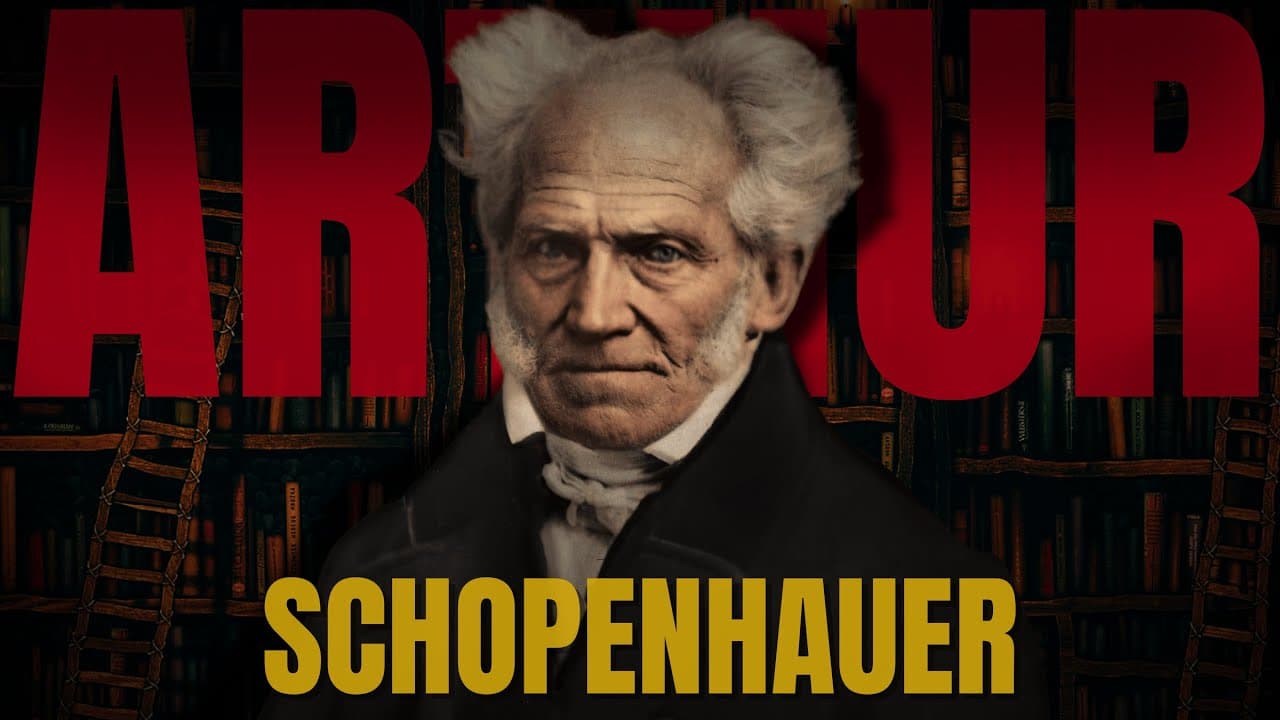
"A Man Can Do What He Wills, But He Cannot Will What He Wills"
Arthur Schopenhauer believed that the capacity to be alone was the truest mark of intellectual and spiritual development. For him, solitude was not merely the absence of others but the presence of oneself. This three-hour exploration examines Schopenhauer's philosophy from the ground up, tracing his life from the merchant's son in Danzig, through his father's death, his failed academic career, and his decades as a solitary hermit in Frankfurt. We then enter his philosophy: the blind Will that drives all existence, the pendulum of pain and boredom, and why most people cannot bear to be alone with themselves. Finally, we examine his answers, including art, contemplation, the denial of the Will, and the practical wisdom he offered those who chose to remain in the world.